
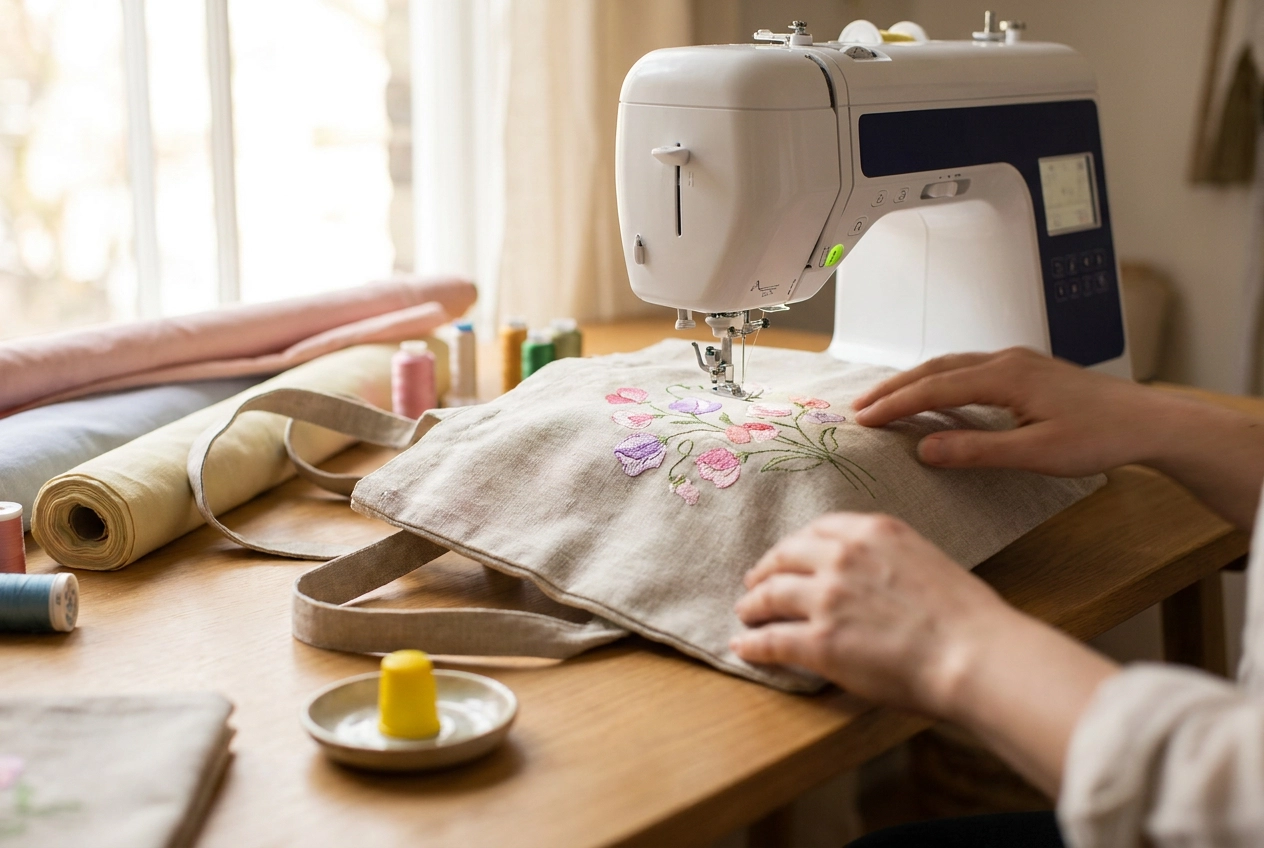
There is something truly magical about picking up a needle and thread for the first time and watching a beautiful design come to life on fabric. If you have been looking for a fun and beginner-friendly way to start your embroidery journey, sweet pea embroidery might be exactly what you need.
Sweet peas are delicate, whimsical flowers that translate beautifully into embroidery projects. Their flowing petals and soft, curling tendrils make them perfect for beginners who want to practice foundational stitches while still creating something genuinely stunning. Whether you want to decorate a tote bag, personalize a pillowcase, or create a framed piece of art, sweet pea designs offer endless creative possibilities.
In this post, we are sharing a curated list of project ideas, helpful tips for getting started, and creative inspiration to keep you motivated. You do not need any prior experience to dive in. All you need is a little curiosity and a willingness to learn. So grab your embroidery hoop and let's explore everything that makes sweet pea embroidery such a beloved choice for crafters of all skill levels.
What Makes Sweet Pea Flower Embroidery So Appealing
If you've ever looked at a sweet pea flower and thought "that would make a gorgeous embroidery design," you're absolutely right. There's something about this delicate bloom that feels like it was made for stitch work.
Sweet peas (Lathyrus odoratus) have ruffled, layered petals and graceful trailing vines that translate naturally into embroidery. The petal shapes offer just enough detail to look elegant without becoming a complicated nightmare for newer stitchers. Whether you're working with a machine or exploring sweet pea bouquet embroidery patterns for inspiration, the structure of the flower gives you beautiful results without overwhelming complexity.
The color possibilities are another big reason embroiderers love this motif. Sweet peas naturally bloom in blush pinks, soft lavender, creamy white, coral, and deep magenta, giving you a flexible palette that works for spring projects, baby gifts, and wedding accessories alike. Sweet peas are also recognized as the birth flower for April and May, which makes them a go-to choice for personalized birthday gifts and seasonal celebrations.
What really makes this design theme stand out is its versatility in style. The same sweet pea motif can feel vintage and romantic on a linen pillowcase or fresh and modern on a tote bag, depending on your thread choices and stitch approach. It fits farmhouse aesthetics, cottagecore vibes, and clean botanical looks equally well.
For machine embroidery users especially, sweet pea designs typically fall in the small-to-medium size range, often fitting comfortably in a 4x4 or 5x7 hoop. You can browse a wide range of options through the Etsy sweet pea flower embroidery market to see just how many project directions are possible with this one motif.
Choosing the Right Hoop Size for Sweet Pea Designs
Picking the right hoop size before you buy a sweet pea embroidery design saves you a lot of frustration later, so let's break it down simply.
The 4x4 hoop is the most common starting point for sweet pea motifs, and for good reason. A single blossom fits beautifully in this size and lands perfectly on shirt pockets, towel corners, baby onesies, and small gift items like coin pouches or bookmarks. Most beginners already own a 4x4 hoop, which makes this the easiest entry point for stitching your first floral design.
The 5x5 hoop opens things up just enough to include a small cluster of blooms or a sweet pea sprig with leaves and tendrils. That extra inch of workspace means the digitizer can add genuine botanical detail without crowding the design or losing stitch clarity. If you want something that reads as more than an accent but still fits comfortably on a standard garment front, this is your sweet spot.
The 6x6 hoop handles fuller compositions with multiple blooms, curling vine work, and layered stems. Think tote bag panels, pillow fronts, or a centered chest placement on a women's tee. The added real estate lets complex floral arrangements breathe and really show off their detail.
One thing beginners often overlook: always check the finished stitch-out dimensions against your intended placement area. A 4x4 design reads as a subtle accent on an adult t-shirt but becomes a bold focal point on an infant bodysuit. That context completely changes how the finished piece looks.
The good news is that most downloadable sweet pea embroidery files bundle multiple hoop sizes in a single purchase. Before you buy, confirm the listing includes 4x4, 5x5, and 6x6 variants so you get full flexibility for current and future projects.
8 Sweet Pea Embroidery Project Ideas Worth Stitching
Sweet pea designs are genuinely versatile, and once you start stitching them, it's hard to stop at just one project. Here are eight ways to put your sweet pea embroidery files to work right away.
1. Spring Apparel Accents
A sweet pea sprig stitched onto the chest pocket of a linen button-down is one of those details that looks like it took real effort but comes together quickly with the right design file. The sleeve of a lightweight cotton or linen jacket is another great placement, especially for a 4x4 motif that sits neatly without overwhelming the garment. Soft greens and lilac thread colors keep the look fresh and season-appropriate. This is an easy first wearable project for beginners because the placement is forgiving and the results are immediately wearable.
2. Personalized Birth Month Gifts
Sweet peas are the birth flower associated with April and May, which makes them a natural choice when you need a gift with genuine symbolic meaning behind it. Stitch a sweet pea design onto a canvas zipper pouch, a linen sachet, or a small tote bag and you have something that feels personal without requiring custom artwork. These items are quick to finish and easy to package beautifully.
3. Kitchen and Home Linens
Flour sack towels, tea towels, and cloth napkin sets are some of the most beginner-friendly embroidery substrates around. A sweet pea corner accent or small repeat border turns a plain kitchen staple into something that feels genuinely heirloom. These also make fantastic hostess gifts that people actually use.
4. Baby and Nursery Items
Sweet pea blooms are a classic nursery motif for good reason. The scale is delicate, the color palette tends toward soft pastels, and the floral subject matter works across gender-neutral nursery themes. Onesies, burp cloths, and small wall art hoops are all approachable beginner projects in this category.
5. Tote Bags and Pouches
A sweet pea floral panel stitched onto a canvas or cotton duck tote creates a cottage-garden aesthetic that photographs well and holds up to daily use. These are reliable sellers at craft markets and make genuinely useful handmade gifts.
6. Wedding Accessories and Favors
Sweet peas carry a long association with weddings in the language of flowers, symbolizing blissful pleasure. Ring bearer pouches, small bridesmaid gift bags, and favor sachets all benefit from the flower's romantic and delicate appearance. If you're making items for a spring or garden-style wedding, sweet pea designs are an obvious fit.
7. Seasonal Wall Art Hoops
Leave your finished design in the hoop, add a neat fabric backing, and hang it directly on the wall. Sweet pea designs with soft pastel palettes are especially well-suited to this format because the colors read beautifully against neutral walls. It's a low-cost, high-impact way to refresh your spring décor without framing or mounting hardware.
8. Quilt Blocks and Patchwork Accents
Small sweet pea motifs in the 4x4 range stitch cleanly onto individual quilt squares, and when you repeat the same floral theme across multiple blocks, the finished quilt has a cohesive botanical character that looks intentional and polished. This approach works well for sampler quilts where each block gets its own motif. If you're new to machine embroidery for beginners, starting with a few individual blocks before committing to a full quilt is a smart way to build confidence with your hoop and stabilizer setup before scaling up.
Best Fabrics and Stabilizers for Sweet Pea Embroidery
Getting your fabric and stabilizer choices right before you sit down at your machine makes a huge difference in how your sweet pea designs turn out. Here are the five most important things to know before you stitch.
1. Start with woven fabrics for the cleanest results. Cotton lawn, linen, and quilting cotton are genuinely the friendliest surfaces for sweet pea embroidery. Their tight, stable weave holds the stabilizer evenly beneath the hoop, which means those fine petal edges and delicate tendrils register cleanly without pulling or distorting. Satin stitches lay flat, fill areas look smooth, and the overall design reads the way the digitizer intended it to.
2. Knit fabrics need two layers of support. If you're stitching onto a t-shirt or baby onesie, pair a cutaway stabilizer underneath with a water-soluble topping on top. The topping keeps stitches from sinking down into the stretchy texture, which is exactly what kills floral detail on knits. Once you're done, the topping rinses away completely.
3. Use medium-weight tear-away on stable wovens. A 2.0 to 2.5 oz tear-away stabilizer is the right call for most sweet pea designs on woven fabric. It gives you enough support to prevent hoop burn and tears away cleanly without leaving a shadowy residue behind on your finished piece.
4. Choose lighter fabric colors to let thread colors shine. White, cream, blush, and sage backgrounds allow the thread palette in your design file to read true. This matters most for designs using thread blending or gradient fills in the petal areas, where a dark base fabric can muddy the colors considerably.
5. Add a water-soluble topping for towels and textured home décor. Terry cloth and waffle-weave napkins have surface loops that swallow stitches whole if you skip the topping. A layer of water-soluble stabilizer over the fabric surface keeps those petal satin stitches raised and crisp. It washes away after stitching, leaving your finished item looking polished.
For a deeper dive into stabilizer selection, Melco's stabilizer and backing guide is a solid reference that covers backing types across a wide range of fabric situations.
Thread Color Palettes That Work for Sweet Pea Designs
Picking the right thread colors transforms a sweet pea design from flat to genuinely beautiful, so it's worth spending a few minutes thinking about your palette before you thread up your machine.
1. Classic Vintage Botanical Palette The most universally loved sweet pea combination pulls from the flower's natural coloring: blush pink, soft lavender, dusty rose, and sage green, all stitched on a cream or ivory background. This grouping has a timeworn, heirloom quality that feels right at home on nursery décor, baby onesies, and linen kitchen towels. The muted tones work together without competing, so the layered petal shapes can do their job visually.
2. Modern Spring Palette Swap those dusty tones for coral, peach, warm white, and lime green and your sweet pea design immediately feels fresh and current. This combination photographs especially well under natural light, which matters if you're selling finished pieces on Etsy or posting your work to social media. The higher saturation makes the blooms pop against light-colored apparel.
3. Wedding-Ready Palette White, champagne, pale gold, and silver threads create a sophisticated, understated look perfect for bridal applications like ring pouches, clutch bags, and ceremony accessories. With this palette, the botanical shape itself carries all the visual interest; you don't need color to do the heavy lifting.
4. Watch Your Value Contrast This is the tip that saves beginners the most frustration. If your petal thread and background thread are too similar in lightness or darkness, the ruffled detail in the sweet pea design will simply disappear once you step back a few feet. Always compare your thread colors in the same lighting conditions you'd use to evaluate the finished piece.
5. Save Every Thread Color Chart Most downloadable embroidery design files include a color chart listing suggested thread brand names and numbers. Keep those charts in a folder, either printed or digital, because re-stitching the same design weeks later becomes effortless when you're not guessing. Consistent results across multiples matter especially if you're producing items for sale.
Machine Embroidery File Formats for Sweet Pea Designs
Before you click "buy" on any sweet pea embroidery design, there's one thing you absolutely need to know: your machine's required file format. Embroidery files are not regular image files. They contain actual stitch data, needle movement instructions, color change codes, and trim commands that your machine reads directly. A JPG of a sweet pea flower won't work, and neither will a PNG. You need a true stitch file in the format your specific machine accepts.
The most common formats you'll see listed are DST, PES, JEF, XXX, HUS, and VIP. Here's a quick cheat sheet for beginners:
PES is used by Brother and Baby Lock machines, which are among the most popular home embroidery machines in the US
DST was created by Tajima and functions as a near-universal baseline accepted by almost all machines
JEF is the native format for Janome machines
XXX is used by Singer machines
HUS and VIP are associated with Husqvarna Viking machines
The best digital embroidery listings bundle multiple formats into a single ZIP download, so one purchase covers you regardless of your machine brand. This is especially useful if you stitch for customers or plan to upgrade equipment later. You can learn more about understanding machine embroidery file formats before making your first purchase.
One of the biggest perks of buying digital sweet pea designs is the instant download. There is no shipping wait and no minimum order quantity. You purchase, you download, you unzip the file, and you select your format. From browsing to hooping, the whole process can take just a few minutes.
Once your files are downloaded, create a simple folder system on your computer. A structure like Florals / Seasonal / Gifts keeps your sweet pea designs easy to find and reuse across projects all year long.
Seasonal Timing and Gift Ideas for Sweet Pea Embroidery
Timing your sweet pea embroidery projects around the calendar makes a real difference, whether you're stitching for yourself, making gifts, or selling finished goods.
1. Start Building Your Design Library in Late Winter
Sweet pea flowers hit their natural peak in April and May, which means your prep window opens in late January and February. Download your designs, test your stabilizer combos, and run a few sample stitchouts before the season rushes in. Having your library ready means you're stitching finished projects when demand is highest, not still troubleshooting settings.
2. Use the Birth Flower Connection Year-Round
Sweet pea is recognized as the birth flower for April, making it a genuinely evergreen gifting theme. Someone born in April has a birthday every single year, and a personalized tote, cosmetic bag, or pouch stitched with sweet peas is a thoughtful, specific gift that feels custom without requiring custom digitizing. Browse birth flower month kits on Etsy to see how popular this category already is with buyers.
3. Tap Into Wedding Season from March Through June
Sweet peas are a beloved choice in spring and early summer bridal florals. Embroidered ring pouches, favor bags, and bridesmaids' gift items featuring sweet pea designs fit perfectly into wedding season gifting. If you're a craft seller, this is a strong niche to build even a small collection around.
4. List Early to Catch the Spring Shopping Window
Craft sellers should have sweet pea items listed by late February. Buyers searching for floral and garden-themed gifts start browsing well before April arrives.
5. Prioritize Mother's Day
May brings together every advantage sweet pea embroidery has. The birth flower angle, the spring timing, and the giftable format all align to make Mother's Day one of the best seasonal moments for floral embroidery sales.
Tips for Craft Sellers Using Sweet Pea Embroidery Designs
If you're selling handmade goods, sweet pea embroidery designs are genuinely one of the smartest themes to build a product line around. Here are five practical tips to help you sell smarter.
1. Lead with small functional items. Zipper pouches, cosmetic bags, and coin purses consistently outperform decorative-only items in the handmade marketplace because buyers get something beautiful AND useful. Sweet pea designs fit perfectly on these compact canvases, and customers who love their first purchase tend to come back for matching pieces. A coordinated set of a coin purse and cosmetic bag with the same sweet pea motif is an easy upsell.
2. Add birth month personalization. Sweet pea is the birth flower for April, which gives you a natural hook for personalized gifts. Pair a sweet pea motif with a monogram or first name using a coordinating embroidery font, and you can confidently charge more for that added personalization. "April birthday gift" items tend to sell well from late March onward, so plan your inventory accordingly.
3. Photograph for the aesthetic. Stitch your designs on neutral linen or crisp white cotton, then shoot against natural wood cutting boards or white marble tile. This botanical, artisan-market look performs strongly on visual platforms and helps your listings stand out.
4. Bundle into cohesive collections. Purchase a blossom, a sprig, a vine border, and a wreath from coordinating sweet pea design sets. Offer customers a "full collection" bundle so they can deck out multiple items in one purchase.
5. Always check commercial use licensing. Before you sell a single finished item, read the licensing terms on every design file you buy. Reputable digital embroidery shops include clear commercial use permissions directly in their product listings, so look for that language before checkout. You can also find solid technique inspiration from resources like Must-Have Machine Embroidery Projects You'll Use Every Day to sharpen your finishing quality before listing.
Where to Find Ready-to-Stitch Sweet Pea Embroidery Files
Embroiderynsewing.com is a solid starting point when you're hunting for sweet pea embroidery files because it carries a broad catalog of floral and botanical machine embroidery designs available as instant downloads across the most popular machine formats. The nature and floral categories run deep, giving you plenty of spring-inspired motifs that translate beautifully into sweet pea-style projects without requiring any custom digitizing.
When you start browsing, don't just search "sweet pea" and call it done. Dig into the floral, botanical, and spring design categories to surface the widest possible range of options. You'll find individual blossoms, trailing sprigs, border arrangements, and full wreath compositions that way. Casting a wider net through these subcategories helps you spot designs you might otherwise miss, including styles that pair perfectly with a sweet pea aesthetic even if they aren't labeled as such.
Filtering by hoop size as you shop is a smart habit worth building early. The 4x4 format remains the most universally compatible option across home embroidery machines, but look specifically for listings that bundle multiple size variants in a single purchase. Getting a 4x4, 5x7, and 6x10 version together in one download is genuinely the most cost-effective approach and gives you flexibility across different projects.
Bundles that include complementary elements, think stems, leaves, tendrils, and scattered petals alongside the main blossom, are worth prioritizing. They let you mix and match placements across a coordinated project rather than repeating the same motif on every piece.
The instant-download format is a real practical advantage. You can purchase a design, download the file, and be set up at your machine within minutes. When a gift deadline is bearing down on you, that speed matters enormously.
Start Your Sweet Pea Embroidery Project Today
Sweet pea embroidery truly checks every box for machine embroidery enthusiasts at any skill level. It works beautifully across apparel, home décor, personalized gifts, and craft market inventory, making it one of the most flexible floral themes you can add to your design library. The bloom's delicate, layered petals reward good technique and look impressive even when stitched by a beginner following a well-digitized file.
Before you stitch your first design, keep three fundamentals in mind. Match your design to the right hoop size, reach for a 4x4 file for small accent placements and a 6x6 file when you want the flower to be the focal point. Choose your stabilizer based on fabric type, cut-away for stretchy knits, tear-away for stable wovens, and water-soluble for delicate or sheer materials. Always confirm the file format matches your machine before purchasing, since formats like PES, DST, JEF, and VP3 are machine-specific and not interchangeable.
Timing matters too. Sweet pea is the birth flower for both April and May, which puts it perfectly in line with Mother's Day gifting, spring wardrobe refreshes, and seasonal craft market sales. Starting your projects in late March gives you a comfortable runway to stitch, finish, and sell during the highest-demand window of the year.
Browse the floral and botanical design catalog at embroiderynsewing.com for instant-download sweet pea files ready to load into your machine today. Whether you are personalizing a birthday gift, stocking an Etsy shop, or simply adding a botanical touch to a spring wardrobe, sweet pea embroidery delivers results that feel polished, personal, and genuinely satisfying to stitch.
Conclusion
Sweet pea embroidery is one of the most rewarding creative hobbies you can pick up, no matter your skill level. These delicate flowers give you the perfect opportunity to practice essential stitches, explore your personal style, and create handmade pieces you will genuinely be proud of. From decorating everyday items like tote bags and pillowcases to crafting beautiful framed artwork, the possibilities are truly endless.
Here is what to remember as you get started: choose simple designs first, take your time with each stitch, and enjoy the process rather than rushing toward the finished product.
Now it is your turn. Pick up your hoop, thread your needle, and let the sweet peas bloom. Share your creations with fellow embroidery lovers online and inspire others to start their own stitching journey. Your most beautiful project is waiting to be made.