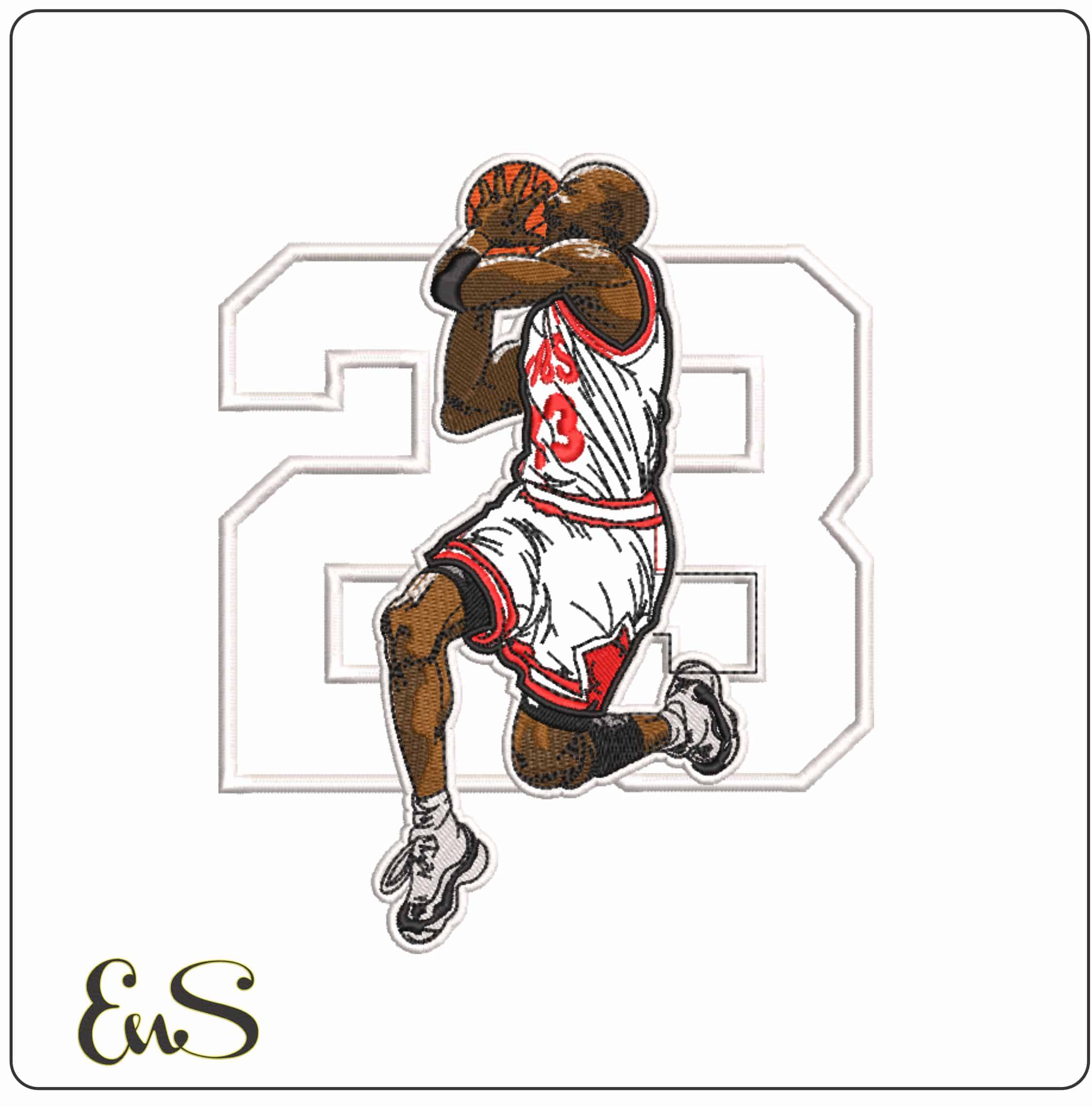
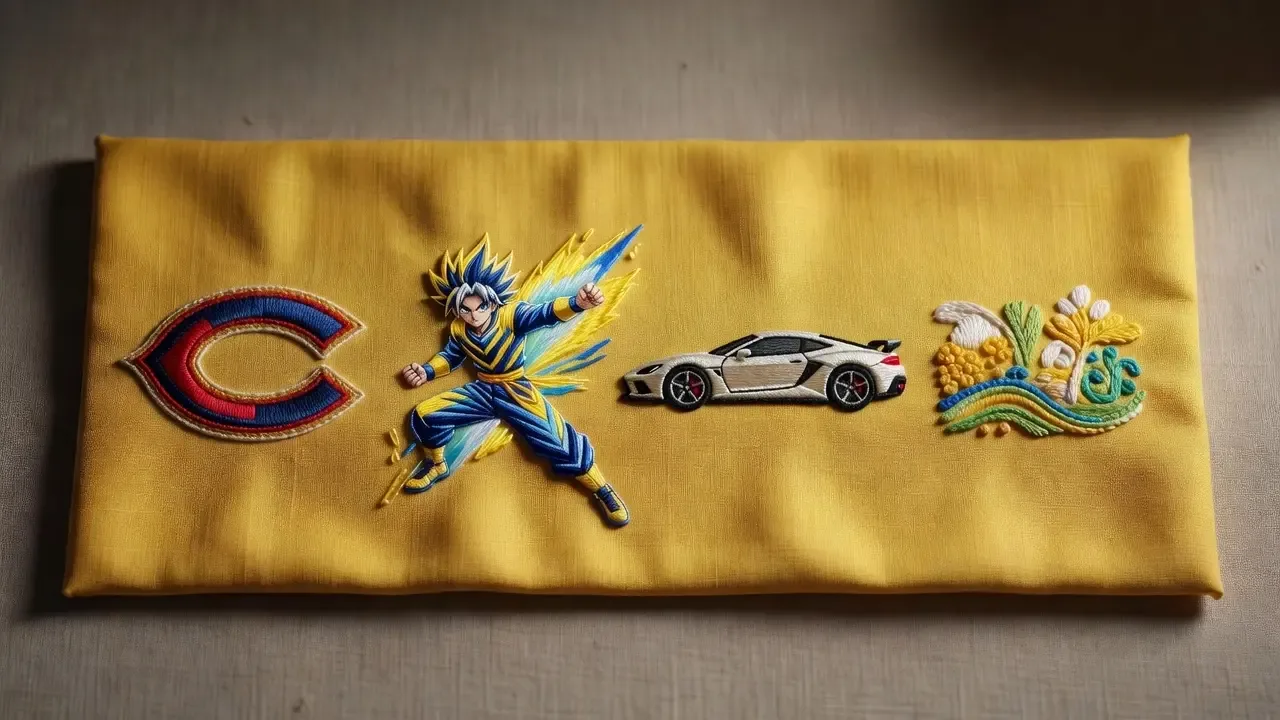
Picture this: you stumble across a beautifully stitched jacket on social media, and suddenly you find yourself completely mesmerized by the intricate patterns and colorful threads. Sound familiar? That's the magic of embroidery, and trust me, you're not alone in falling head over heels for this timeless craft.
Embroidery has been around for thousands of years, but it's having a serious moment right now. From fashion runways to cozy home decor, this needle-and-thread art form is everywhere, and the best part is that anyone can learn it. Yes, even you!
Whether you're a total beginner who has never picked up a needle before or someone who's been curious about trying a new creative hobby, this guide was made with you in mind. We're going to walk through everything you need to know, covering popular embroidery styles, the hottest trends taking over right now, and stunning design ideas to spark your creativity. By the time you finish reading, you'll have a clear picture of where to start and plenty of inspiration to get those threads moving. Let's dive in!
## Why Embroidery Is Having Its Biggest Moment Yet
If you've been noticing embroidery everywhere lately, you're not imagining it. Etsy's 2026 trend report officially named this cultural moment the "Soft Stitch Era," a category-wide shift toward handcrafted texture, tactile design, and intentional placement-driven embroidery. This isn't a passing micro-trend. It's a signal that embroidery has crossed over from niche hobby into mainstream creative identity, driven by a consumer appetite for artisanal, personalized goods that feel genuinely made rather than mass-produced.
The numbers back it up in a big way. The global embroidery machine market is projected to reach USD 8.12 billion by 2035 (Precedence Research), which tells you something important: the community of people who own embroidery machines and are actively searching for designs to stitch is growing fast, and it's not slowing down anytime soon.
A big part of that growth comes down to technology becoming more accessible. Computerized and multi-head machine adoption is accelerating throughout the 2026 to 2033 forecast period (Coherent Market Insights), and it's opening the door from two directions at once. Hobbyists are jumping in because home machines have become more affordable and beginner-friendly. At the same time, small business owners are scaling up with commercial multi-head equipment to keep up with custom order demand. More machines in more hands means a growing need for high-quality, ready-to-stitch design files.
On trending embroidery items in 2026 and across machine embroidery 2026 searches, the bestseller patterns are clear: curved text, varsity styles, and pocket placements are dominating right now, alongside oversized florals, 3D puff designs for hats, and retro Y2K typography.
That's exactly what this guide covers. You'll find a practical breakdown of the styles, themes, and design categories that are performing best right now, plus direct paths to downloadable files you can stitch today.
What Is Embroidery? A Quick Orientation for New Machine Owners
So what exactly is machine embroidery, and how is it different from the hand-stitched kind your grandmother practiced? The short answer: a machine does the stitching for you, automatically and precisely, based on a digital file you load onto it. Hand embroidery is guided entirely by the maker's eye and hand, stitch by stitch. Machine embroidery uses a computerized device that reads coded instructions and places every stitch automatically. A design that might take a skilled hand embroiderer several hours can be completed by a machine in minutes, with perfectly consistent tension and spacing every single time.
The most important concept for any new machine owner to understand is the digitized design file. Your machine cannot read a JPG, PNG, or any standard image file. It needs a specially prepared file that tells it exactly where to place each stitch, in what order, at what angle, and at what density. Creating those instructions from scratch (called digitizing) is a skilled, time-intensive process. Hiring a professional digitizer for a single custom design can cost anywhere from $20 to over $100 and may take several days. Purchasing a pre-digitized downloadable file costs a fraction of that, usually just a few dollars, and is ready to stitch immediately.
Not all design files are created equal, though. Quality comes down to how well the file uses three core stitch types: the running stitch (single-line paths used for outlines and fine details), the satin stitch (tightly packed parallel stitches that create smooth, shiny columns and lettering), and the fill stitch (rows of short stitches covering larger areas). A well-digitized file transitions cleanly between these types without puckering the fabric or leaving visible gaps.
Here is the genuinely encouraging part: modern home embroidery machines come with guided interfaces that walk first-timers through every step. Pair your machine with a quality pre-digitized file and proper stabilizer backing, and your very first project can look clean and professional.
One last thing to know upfront: design files come in multiple formats tied to specific machine brands, such as .PES for Brother machines and .JEF for Janome. A dedicated section later in this article covers format compatibility in full detail, so you will know exactly which file type to look for before you buy.
## The Main Embroidery Styles Worth Knowing
Not every embroidery project calls for the same approach, and knowing the difference between the main styles will save you a lot of guesswork when you're browsing designs and deciding what to stitch. Here's a quick breakdown of the five styles you'll encounter most often as a machine user.
Flat Embroidery
This is the one you'll use most, especially when you're starting out. Flat embroidery means the stitches lie directly against the fabric surface with no foam, no layering, just thread and textile. It works beautifully on garments, hats, tote bags, home décor, and pretty much anything else you can hoop. The learning curve is forgiving, the design options are enormous, and most downloadable design files you'll find are built for this technique. If you're picking your first project, flat embroidery is the right place to start.
3D Puff Embroidery
Want your design to literally pop off the fabric? Puff embroidery places a thin layer of foam underneath the stitching so the finished result sits raised and dimensional on the surface. It creates a bold, tactile look that's become one of the biggest embroidery trends of 2026, especially on structured snapback hats and athletic wear. The foam gets trimmed away around the edges after stitching, leaving clean, raised lettering or shapes. It's a slightly more advanced technique, but the results are genuinely striking.
Appliqué takes a fabric-first approach. A cut piece of fabric gets positioned within the design area, and then the machine stitches around it to secure and finish the edges. This creates real textile texture that thread alone can't replicate, and it significantly reduces stitch count on large, coverage-heavy designs, making it a smart choice for oversized artwork. According to current 2026 trend coverage, appliqué and mixed-media styles are growing fast in popularity.
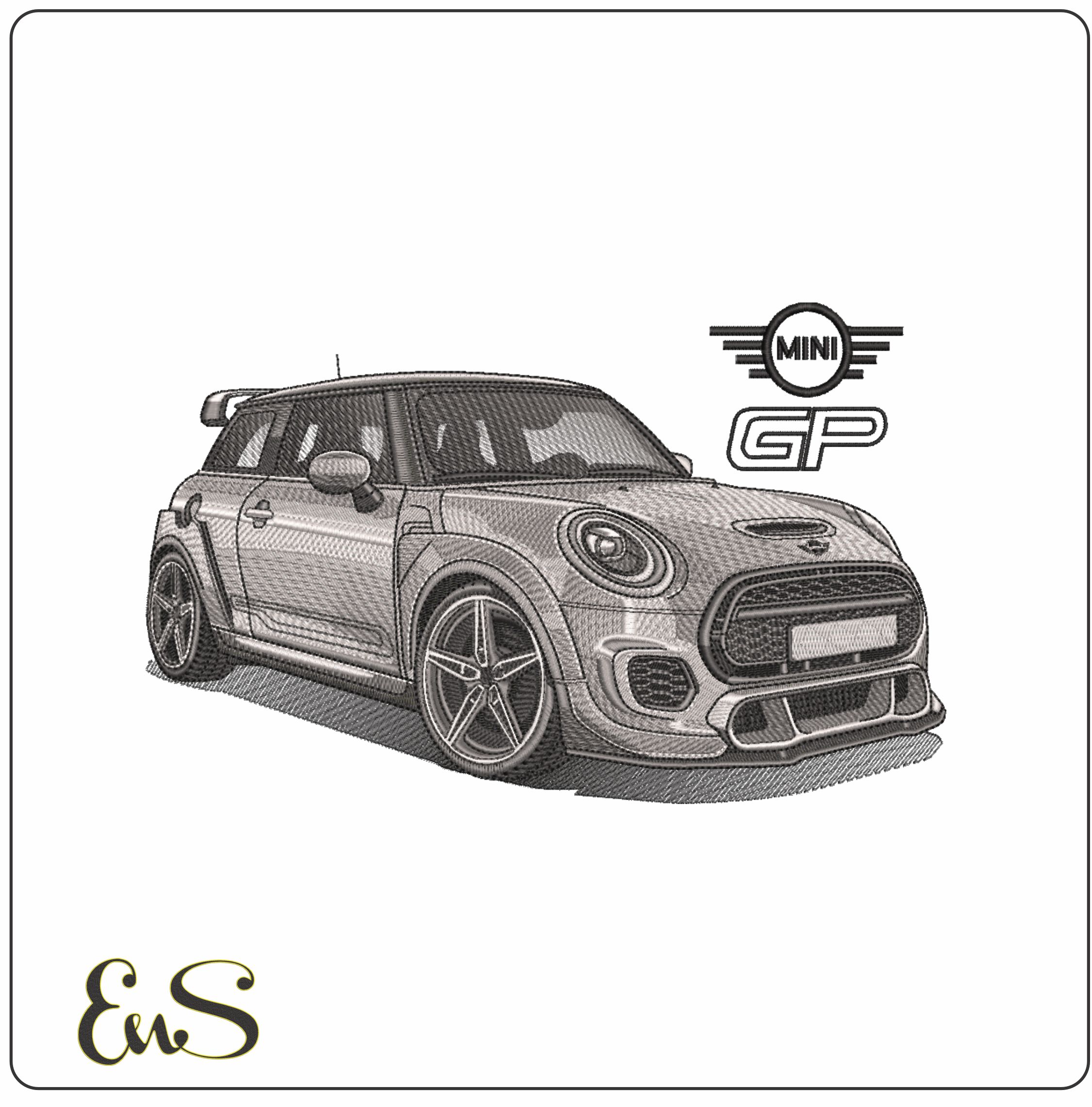 Embroidery designMini Cooper Gp With Mini Gp LogoView this design →
These two techniques share the same philosophy: intentional restraint. Tone-on-tone uses thread that closely matches the base fabric color, so the design reads as subtle texture rather than bold contrast. Micro embroidery applies that same understated sensibility to very small, precise placements. Both are trending strongly in 2026 for premium garments and personalized gifts where the goal is quiet sophistication rather than high-visibility decoration. They fit perfectly into the broader "Soft Stitch Era" shift toward elevated, thoughtful craft.
10 Embroidery Design Trends Defining 2026
Trends are fun to read about, but they're only useful if you know what to actually stitch. This list does something most trend roundups skip: it connects each 2026 direction straight to the design files you can download and use today. Whether you're building an Etsy shop, personalizing gifts, or just looking for your next project, here's where embroidery is headed and exactly how to stitch into it.
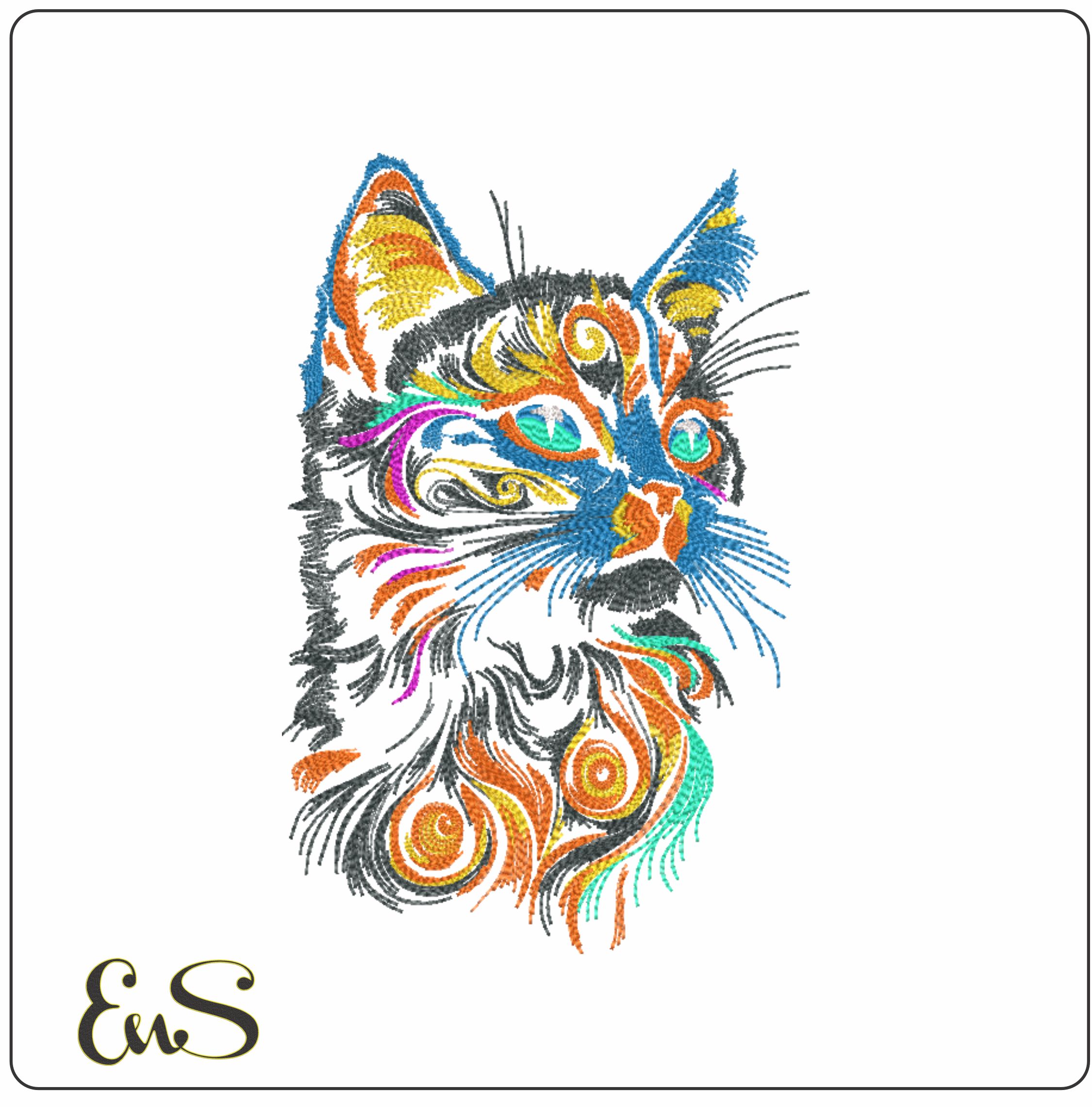 Embroidery designAbstract Cat Line ArtView this design →
Clean, single-color outlines with low stitch counts are everywhere in 2026. These designs stitch fast, use minimal thread, and look polished on everything from canvas totes to denim jackets to polo shirts. For beginners, they're ideal because fewer stitches means fewer opportunities for tension problems or puckering. For sellers, fast production runs mean more finished items per hour.
2. Oversized Florals and Botanicals
Big, bold botanical motifs are taking over sweatshirts and jackets this season. Think large roses, tropical leaves, and illustrated wildflowers scaled to fill a back panel or sleeve. The floral and nature design categories in a well-stocked embroidery catalog are a direct match for this trend, and these files are ready to download and stitch the same day you find them.
3. 3D Puff Typography and Logos
Raised, dimensional lettering has become the signature look for structured hats and snapbacks in 2026. Puff embroidery designs are a commercially active and highly searchable category, with varsity puff fonts and sports logo-style icon files among the most in-demand options. If you're decorating hats for a team, school, or custom apparel side hustle, this is the trend to prioritize right now.
4. Retro Y2K Typography and Lettering
Bubbly block fonts, distressed lettering, and thick outlined text with a nostalgia-forward attitude are driving strong search traffic on craft platforms. This aesthetic pulls from early 2000s graphic styles and translates beautifully into embroidery. Machine embroidery font collections that include chunky, retro, or grunge-style lettering are the files to look for if you want to ride this wave.
5. Metallic and Iridescent Thread Designs
Not every project needs to be subtle. Shimmer-effect designs digitized specifically to work with metallic and iridescent specialty threads are trending for premium gift items, holiday pieces, and elevated personalization projects. The key is finding design files that are built for specialty threads, with appropriate stitch types and densities that let the thread shine rather than snag.
6. Varsity-Style and Curved Text Layouts
Arched lettering, stacked varsity text, and curved name drops are consistently among the top-performing styles on craft marketplaces. These layouts work brilliantly for team apparel, school gear, custom sweatshirts, and last-minute gift items. If you're building an inventory for resale, curved and varsity text files are some of the most versatile designs you can keep in rotation.
7. Tone-on-Tone and Micro Embroidery
Subtle same-color stitching on matching fabric creates a sophisticated, almost textural effect that's gaining popularity for upscale gifts and monogrammed items. Micro embroidery, with its small precise details, is perfect for cuffs, collars, handkerchiefs, and luxury-feel personal items. These designs require a steady machine and the right stabilizer, but the results look genuinely elevated.
8. Placement-Driven Design
Left-chest pocket placement and centered hat embroidery are the dominant commercial formats in 2026. Smaller, precisely scaled design files sized for these spots are in high demand among both hobbyists and boutique decorators. If you're shopping for designs, look specifically for files labeled with finished dimensions in the 3 to 4 inch range for the most commercial flexibility.
9. Appliqué and Mixed-Media
Fabric-plus-stitch appliqué designs add physical dimension and dramatically reduce stitch counts on larger items like jackets, bags, and quilts. The 3D appliqué trend visible in 2026 fashion extends well beyond formalwear into everyday craft projects. Appliqué files are beginner-friendly because they cover ground quickly and produce bold, eye-catching results without complex digitizing.
10. Anime, Cartoon, and Fandom Motifs
Pop culture themes continue to generate some of the strongest search interest in the embroidery market. Anime characters, cartoon icons, and fandom-inspired designs perform especially well as gift items and personal customization projects. A catalog with deep entertainment and character design coverage gives you instant access to the themes your customers are actively searching for, no custom digitizing required.
Sports, Fandom, and Niche Embroidery: Why Theme Depth Matters
Here's something worth understanding early in your embroidery journey: having more designs is not the same as having the right designs. A generic library with thousands of floral borders and seasonal motifs does exactly nothing for the decorator who needs an NFL stadium-themed file by Friday morning. Niche specificity is what separates a catalog that looks impressive from one that actually solves a real problem for a motivated buyer.
And motivated buyers are everywhere in the sports and fandom space. Sports fandom is bigger than the game itself, and that passion flows directly into what people want to wear, gift, and customize. The demand drivers here are real and varied: school spirit wear for booster clubs and athletic departments, personalized fan gifts for playoff season and graduation, custom boutique apparel for local sports markets, and team-branded gear that fans want to own because wearing it means something to them. The Sports Apparel Embellishment market was valued at roughly $14 billion in 2022 and is projected to grow at a CAGR of 8.5% through 2033, which tells you this is not a passing trend.
PMG's 2025 State of Sports Report identifies customization as one of the five core pillars of the modern fan experience, noting that today's fans want connection and personalization at every touchpoint. That demand flows straight into decorated apparel, and embroidery is leading the charge. Embroidered sports apparel is making a cultural comeback precisely because it delivers the premium, durable look that printed alternatives cannot match, especially on hats, spirit jackets, and outerwear.
This is exactly where EmbroideryNSewing.com's catalog depth becomes genuinely useful. The strongest categories include NFL, college athletics, major entertainment properties, anime, cartoons, and country flags, covering the full range of what sports fans and fandom communities actively search for. Country flag designs serve international soccer fans and heritage apparel markets that most generic libraries completely overlook.
For the small custom apparel decorator, the value is even more immediate. Custom digitizing typically runs 24 to 72 hours and can cost $10 to $50 or more per file, plus back-and-forth proofing. When a booster club calls Thursday afternoon about spirit jackets needed by game day, there is no time for that process. Downloading a pre-digitized, ready-to-stitch file takes minutes and gets you straight to the machine.
Browse by sport, team, or fandom category to find exactly the design your next project needs.
Embroidery File Formats Explained: Which One Works for Your Machine
Before you download a single design file, there's one practical detail worth learning: your embroidery machine only speaks one language, and every machine brand has its own. That language is its file format, and loading the wrong one is like handing your machine a document written in a language it doesn't recognize. The file simply won't open, or worse, it stitches out garbled and wastes your thread, stabilizer, and time. The good news is that understanding formats takes about five minutes, and you only have to learn it once.
The Most Common Formats in Plain Language
Here's a straightforward breakdown of the formats you'll encounter most often:
- PES – The native format for Brother and Baby Lock machines. This is one of the most widely used home embroidery formats in the US.
- DST – Originally developed by Tajima, DST is the closest thing to a universal standard in the embroidery world. It's common on commercial and industrial machines and is broadly compatible across many setups.
- JEF – Janome's proprietary format, designed specifically for their lineup of home embroidery machines.
- VP3 – Used by both Husqvarna Viking and Pfaff machines.
- HUS – An older Husqvarna format, still found on legacy machines that predate the VP3 standard.
- XXX – Singer's native format for their embroidery machines.
- ART – The format used by Bernina machines.
Quick Brand-to-Format Reference
| Machine Brand | Format to Look For |
|---|---|
| Brother | PES |
| Baby Lock | PES |
| Janome | JEF |
| Husqvarna Viking | VP3 |
| Pfaff | VP3 |
| Singer | XXX |
| Bernina | ART |
For a deeper visual walkthrough, this video guide to machine embroidery file formats covers the basics in an easy-to-follow format.
Multi-Format Downloads Make Life Easier
Reputable design sellers typically bundle multiple formats into a single purchase. That means one download gives you PES, DST, JEF, VP3, and more all at once, so you can use the same design on your Brother machine today and share the file with a friend who owns a Janome tomorrow. No manual conversion needed on your end.
Once you know your machine's format, every future purchase follows the exact same simple step: find the format in the download folder, transfer it to your machine, and stitch. That's it. Format selection is genuinely a one-time learning moment, and after that, it becomes completely automatic.
Who Uses Downloadable Embroidery Designs and How
Downloadable embroidery designs serve a surprisingly wide range of people, and understanding where you fit in that picture makes it a lot easier to shop with purpose. Here are the four main groups who use these files, and exactly how they put them to work.
1. Hobbyists and Home Crafters
This is the largest group by far. These are people who own one or two home embroidery machines and use them to put their personal stamp on everyday objects. Tote bags, baseball caps, onesies, pillowcases, kitchen towels, and denim jackets are all fair game. The goal is usually personal expression: stitching a favorite team logo onto a hat, adding a floral motif to a tote, or customizing a baby blanket with a character that means something to the family. These makers are deeply influenced by what they see on social media, and right now platforms like TikTok and Instagram are full of varsity-style sweatshirts, chest pocket designs, and themed apparel that make people want to grab their machine and start immediately. The designs they reach for tend to reflect specific fandoms, sports loyalties, and aesthetic preferences, which is exactly why niche depth in a design catalog matters so much to this group.
2. Gift-Makers and Seasonal Crafters
A meaningful slice of home embroiderers are primarily motivated by gifting. They stitch personalized presents for birthdays, baby showers, graduations, Christmas, Halloween, Easter, and Valentine's Day, and they plan ahead by stocking up on themed designs before each season hits. Sports designs and children's themes are especially strong here because they translate so naturally into gifts with emotional resonance: a personalized onesie for a baby shower, a custom team cap for a kid's birthday, or a holiday stocking with a family member's name stitched right in. The personalized gifts market was valued at $28.79 billion globally in 2023, growing at 8.1% annually, and embroidered items are a meaningful piece of that picture. For this group, finding the right themed design quickly is everything.
3. Etsy Sellers and Boutique Apparel Makers
Many hobbyists eventually start selling their work, and for those who do, downloadable designs become a core business tool. Searching "embroidery" on Etsy pulls up roughly 2.7 million results, which tells you just how active that marketplace is. The practical challenge for any small seller is building a broad enough product catalog to attract buyers without spending a fortune on custom digitizing, which typically runs $20 to $100 or more per design. Pre-digitized downloadable files solve that problem entirely. Sellers can browse by theme, grab what they need, and start stitching without any design lead time. As 5 Proven Embroidery Design Styles Guaranteed To Sell demonstrates, the sellers who do best focus on specific high-converting styles like varsity designs, curved text, and pocket placements because those are what buyers are actively searching for.
4. Custom Apparel Decorators and Team Wear Businesses
Professional decorators and team wear shops operate in a world where turnaround time is a real competitive differentiator. A school needs jerseys for Friday's game. A company needs branded polos for next week's conference. There is no room in that timeline for custom digitizing. Instant-download files that are already production-ready solve this problem directly: the decorator purchases the file, loads it onto the machine, and starts stitching within the hour. Sports team decoration is especially important for this group because it generates repeat business every single season, across baseball, basketball, soccer, football, and more.
Why the Instant-Download Model Matters for All Four Groups
The common thread across every group above is the same: they need the right design, for the right theme, in the right file format, and they need it now. As outlined in Embroidery Home Business: 8 Key Steps from Hobbyist to Pro, having a solid library of pre-digitized files is foundational regardless of whether you are stitching for fun or running a full production operation. The hobbyist wants to start the same evening. The gift-maker is working against a holiday deadline. The Etsy seller needs to fill an order before the customer leaves a review. The decorator cannot miss a client's event. Instant downloads address all of these pain points at once, which is why the format has become the default for anyone serious about embroidery.
How to Choose the Right Embroidery Design for Your Project
Picking the right design before you buy saves you time, thread, and a lot of frustration. Here are five practical things to check before you add anything to your cart.
1. Match the design complexity to your machine. If you're working with a basic single-needle home machine, simpler flat designs with modest stitch counts are your sweet spot. Designs with dense fill areas, layered color changes, or 3D puff elements are built for multi-needle and commercial setups that can handle the tension, needle precision, and hooping stability those files demand. Buying a high-stitch-count file for a beginner machine doesn't just produce a messy result; it can cause needle breakage and thread jams. Start with clean, lower-complexity designs and work your way up as your confidence grows.
2. Pay attention to placement and scale. A design digitized for left-chest pocket placement, typically 3 to 4 inches wide, is engineered at that size. Scaling it up to fill a jacket back distorts stitch angles, stretches satin columns beyond their stable width, and blows out fine detail. The reverse is equally true. Look for designs that are offered in multiple pre-set sizes or that include clear sizing guidance so you know exactly where the file is meant to land.
3. Pair stitch density to your fabric. According to BERNINA's embroidery design guidance, fabric choice is genuinely part of the design selection decision. Light knits and stretch fabrics need lower-density designs with minimal underlay to avoid puckering and distortion. Structured materials like hat blanks and woven twill can support denser satin work and puff fills. If a product listing specifies recommended fabric types, take that seriously.
4. Browse by category to match your project intent. Sports designs serve a completely different purpose than children's motifs or seasonal florals. Using category filters to narrow by theme, sports, nature, fonts, holidays, or kids, gets you to the right design faster and surfaces options sized and styled for that specific use case.
5. Confirm file format before purchasing. As covered in this complete guide to machine embroidery file formats, formats are brand-specific. PES works for Brother and Baby Lock machines, JEF is Janome's format, and DST is the widely used commercial standard. Always match the download's included formats against what your machine actually requires before checkout. Multi-format bundles reduce the risk of buying a file you can't use.
Getting Started: From Download to Finished Stitch
Once you have a design you love, getting it from your screen to finished fabric is a straightforward four-step process. You purchase and download the design file, transfer it to your machine, hoop your fabric with the right stabilizer, and stitch. The transfer step usually happens one of three ways: saving the file to a USB drive and plugging it directly into your machine, connecting your machine to your computer with a cable, or using embroidery software as the bridge. Most beginners find the USB method the easiest starting point since it requires no extra software and works with nearly every home machine on the market.
Speaking of software, it is worth knowing what it does and when you actually need it. Embroidery software lets you resize a design, swap thread colors, or combine multiple elements into a single project before sending anything to the machine. That said, most designs you download from a well-stocked marketplace come completely stitch-ready, meaning the stitch types, densities, color sequences, and directions are already programmed in. You can load them and go without touching any editing tools. Software becomes genuinely useful when you want to scale a design well beyond its original size or merge two separate files into one layout.
Stabilizer is the other piece beginners sometimes overlook, and choosing the wrong type is one of the most common reasons results look off. The basic rule: use cutaway stabilizer for knits and stretchy fabrics because it stays permanently behind the design and prevents distortion over time. Use tearaway stabilizer for stable woven fabrics like quilting cotton or denim, since it removes cleanly after stitching. Use wash-away stabilizer for freestanding lace or very delicate materials where any backing residue would be visible.
Before you stitch on your actual project, run a test on a scrap of the same fabric first. This is especially important with dense or complex designs, where thread tension and stabilizer weight interact in ways that are hard to predict. A quick test catches puckering, thread breaks, or sizing surprises before they show up on a finished sweatshirt or gift item.
And do not underestimate the value of simply browsing. Exploring categories on a design-rich marketplace, whether that is sports themes, seasonal motifs, anime characters, or nature designs, is genuinely part of the creative process. Stumbling across an unexpected theme or a trending style you had not considered is often exactly how the next project idea takes shape.
Start Stitching: Your Next Embroidery Project Is One Download Away
Embroidery is growing fast, the 2026 trends are clear, and the good news is that getting started has never been more practical. Whether you're drawn to oversized florals, sports-inspired mascot designs, retro Y2K fonts, anime fandom motifs, or placement-focused pocket icons, the right design file is already out there waiting for you to stitch it.
A large, category-rich design library makes a real difference here. Hobbyists get more creative options without the cost of custom digitizing. Gift-makers can find seasonal, personalized, and occasion-ready themes in one place. Small apparel businesses can move faster from idea to finished product when the niche they need is already covered and ready to download.
Go back to whichever trend or category from this article sparked something for you. Then check your machine format, pick your theme, and download your next design today. Your next finished project is genuinely one click away.
Conclusion
Embroidery is more than just a craft; it's a creative journey that connects you to centuries of artistry while allowing you to express your unique style today. Throughout this guide, we've explored the diverse styles that make embroidery so versatile, the exciting trends reshaping the art form, and the endless design possibilities waiting for you to try.
Here are your key takeaways: embroidery is accessible to everyone, modern trends make it fresher than ever, and the right design inspiration can transform a simple project into something extraordinary.
Now it's your turn. Pick up a needle, choose a design that speaks to you, and take that first stitch. Start small, stay curious, and let your creativity lead the way. Your beautifully stitched masterpiece is closer than you think, and the only thing standing between you and it is the decision to begin.